
Experience the Ocean with Purpose — Safe, Sustainable & Scientifically-Driven Wildlife Tours in Madeira
Blue Safari Madeira is a premier whale and dolphin watching operator based in Funchal, Madeira, Portugal, offering unforgettable marine wildlife excursions that are scientifically informed, conservation-focused, and safety-driven.
A Whale Watching tour directly from Funchal departing every day.
Responsible Whale & Dolphin Watching | Blue Safari Madeira
SMALL INTIMATE GROUPS
Up-close experience like no other vessel.


We operate under strict codes of conduct for responsible wildlife tourism — no chasing, no feeding, and always respectful distances from the animals.
Our tours are guided by marine biologists and trained professionals, ensuring that every encounter is both educational and ethical.
We are proud contributors to ongoing research projects and conservation initiatives, collaborating with institutions and scientific partners to monitor and protect cetaceans around Madeira.
Blue Safari Madeira actively participates in marine research and data collection at sea. Our team has collaborated with scientific institutions on peer-reviewed publications, including studies of rare killer whale predation events in Madeiran waters — work that advances global understanding of cetacean ecology and behavior.
This commitment to science extends beyond data collection:
We regularly share sightings and biological data with research networks.
Guests help support conservation through non-invasive monitoring efforts.
Our work has been recognized by international marine conservation communities.
Our work has been featured in global wildlife and travel outlets — including coverage in National Geographic and other respected platforms — highlighting our dual mission of adventure and stewardship.
Tours are run on our fast, agile vessels that can reach wildlife quickly while minimizing disturbance.
We limit passengers to small, intimate groups to enhance comfort, safety, and wildlife respect.
Our routes are carefully chosen based on ethical practice, scientific knowledge, and animal welfare considerations.
OUR SIGHTING COMMITMENT

In our Whale and dolphins watching tours activity, we cannot predict if it will be only dolphins, only whales, or both on a single tour, since we work with wild animals, and their behavior is unpredictable. If no dolphins and no whales species are sighted during the tour which is extremely rare, the customer will have the possibility of another free tour, or in case of unavailability due to weather conditions, a free trip voucher valid 2 years.
Take a look at our
MOST POPULAR TOURS
ABOUT US
At Blue Safari Madeira, whale and dolphin watching is more than a tour — it’s a responsible and unforgettable experience. Our high-speed vessel carries only 18 passengers, ensuring every trip is intimate, safe, and respectful of the marine life we encounter. Guests have the chance to observe whales, dolphins, and other wildlife up close, without disturbing their natural behaviour, while learning about their ecology, conservation, and the ongoing research we support.
We actively collaborate with scientific and conservation projects, collecting data that has contributed to published studies and supports global efforts to protect cetaceans. Our tours are conducted under strict safety standards — for both our guests and the animals — combining adventure with education and sustainability.
Whether you’re seeking a private charter, a family adventure, or a once-in-a-lifetime wildlife experience, Blue Safari Madeira offers more than a ride on the ocean — it’s a meaningful contribution to marine conservation and scientific knowledge.
PARTNER


Here some of the species we can encounter
Madeira's whales and dolphins
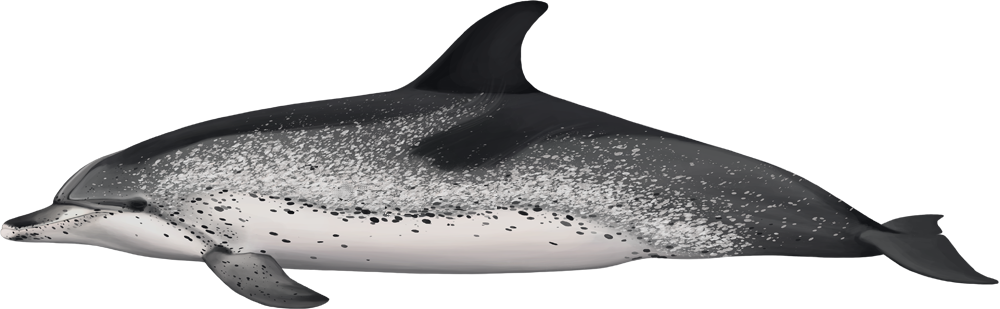
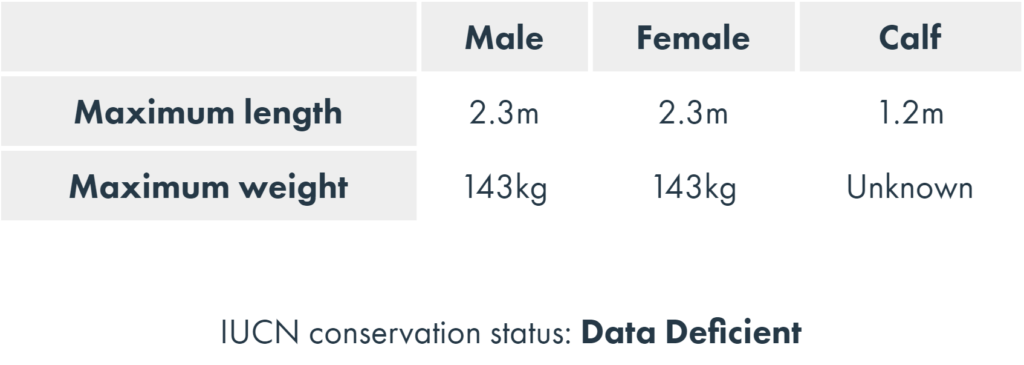
Atlantic spotted dolphins
Atlantic spotted dolphins are fast swimmers and are active at the surface, often performing acrobatics and surfing in the waves created by boats.
They live only in warm and tropical water areas of the Atlantic Ocean. They usually form groups of five to 50 individuals but sometimes travel in groups of up to 200.
Other names: spotted dolphin; Atlantic spotter; bridled dolphin
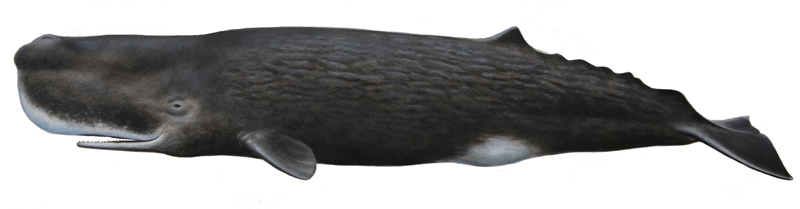
Sperm Whale
Sperm whales are totally unique. Colossal giants of the deep, their presence commands reverent awe.
They possess the largest brain in the animal kingdom and spend much of their lives in the light-starved depths of the oceans hunting prey.
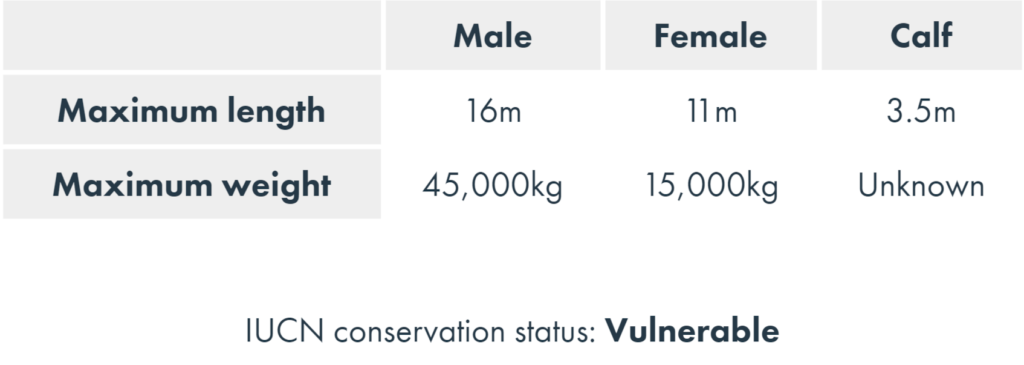
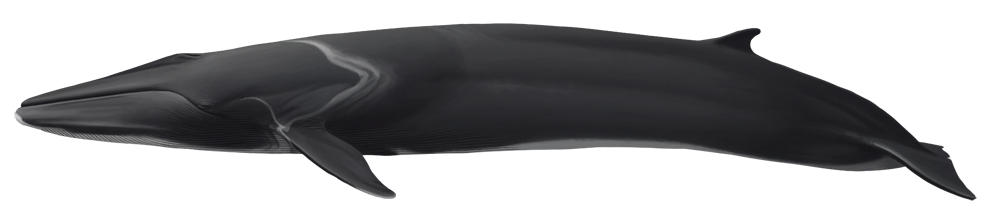
Fin Whale
Some whales are big, some are fast, some have unusual looks. The fin whale somehow manages all three.
Nicknamed ‘the greyhounds of the sea’, fin whales are the second biggest mammals in the world.
Other names: Finner; Razorback; Finback; Flathead; Common rorqual; Herring whale
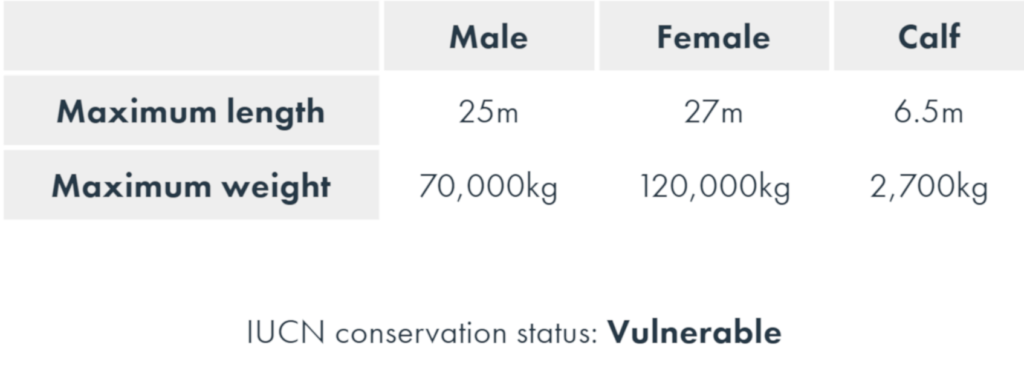
Bryde's Whale
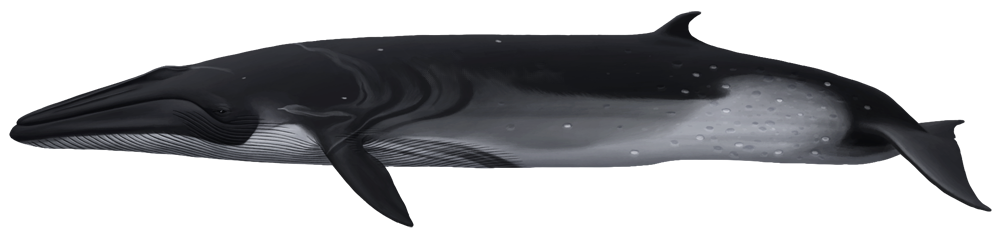
The only baleen whales to spend their entire lives in tropical and subtropical waters, these great whales are over 44 tons of sheer awesomeness.
Both the identity and the exact number of Bryde’s whales are a bit of a grey area. As well as ‘ordinary’ Bryde’s whales found in the Pacific, Indian and Atlantic oceans, there are also one or smaller forms who tend to prefer more coastal waters. Currently, though their status is unclear, with only two sub-species recognised for sure: B. e. brydei (offshore Bryde’s whale) and B. e. edeni (Eden’s whale).
Other names: Common Bryde’s whale; Pygmy Bryde’s whale; Tropical whale; Eden’s whale
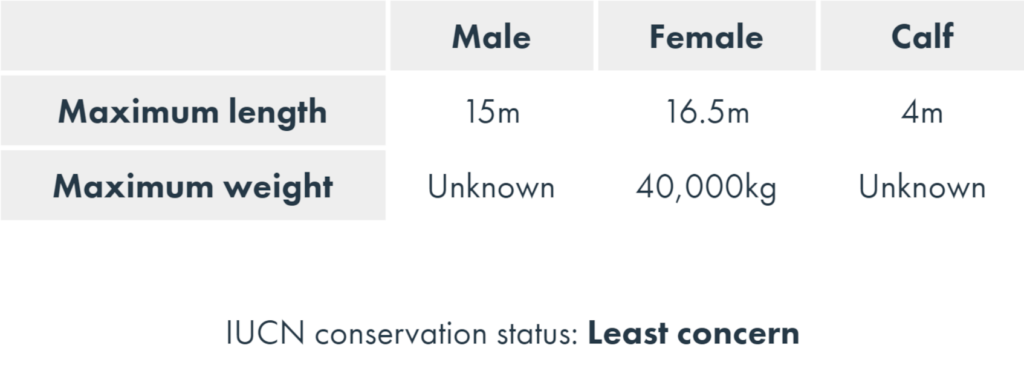
Bottlenose dolphin
Along with great apes, elephants and humans, common bottlenose dolphins have one of the most sophisticated intellects on our planet.
Exploited by the ‘entertainment’ industry for years, common bottlenose dolphins are the most widely recognised species of dolphin. Watching a pod of common bottlenose dolphins hunting or playing together is an experience that will stay with you for life.
Other names: Bottle-nosed dolphin; Bottlenose dolphin
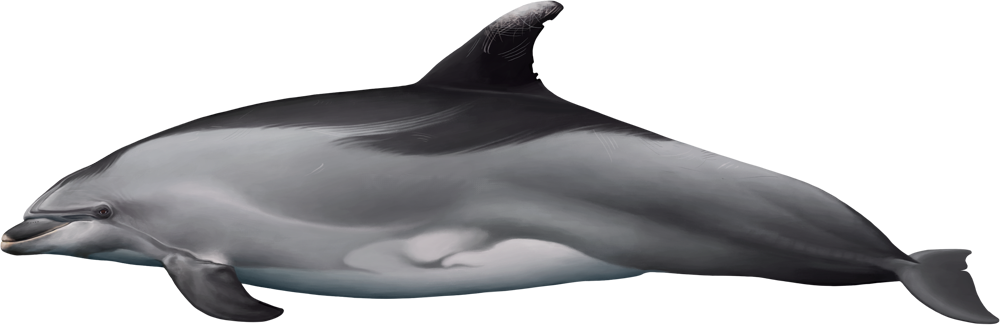
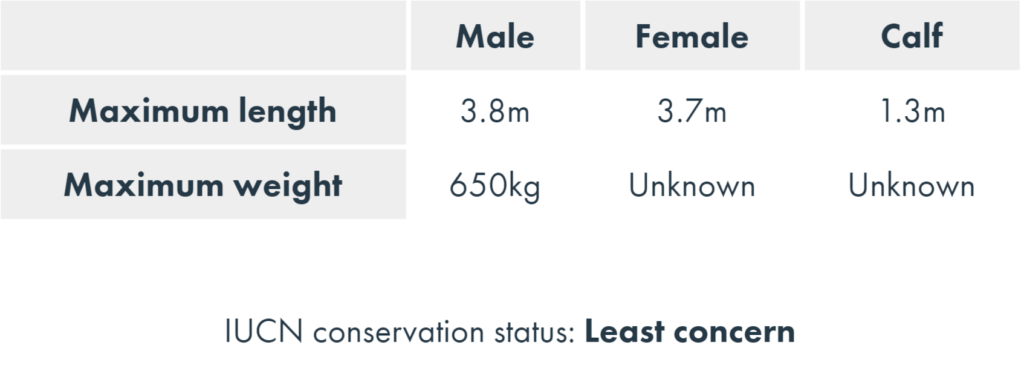
BLAINVILLE’S BEAKED WHALE
With its steeply arched jaw, Blainville’s beaked whale is both striking and easily recognisable.
Known for its unmistakable arch, Blainville’s beaked whale’s lower jaw curves sharply upwards. Especially striking, the male’s arch is topped with prominent tusks that point upwards past the upper jaw. Denser than elephant ivory, these distinctive features have earned Blainville’s beaked whales the epithet “dense-beaked whales”.
Other names: Dense-beaked whale
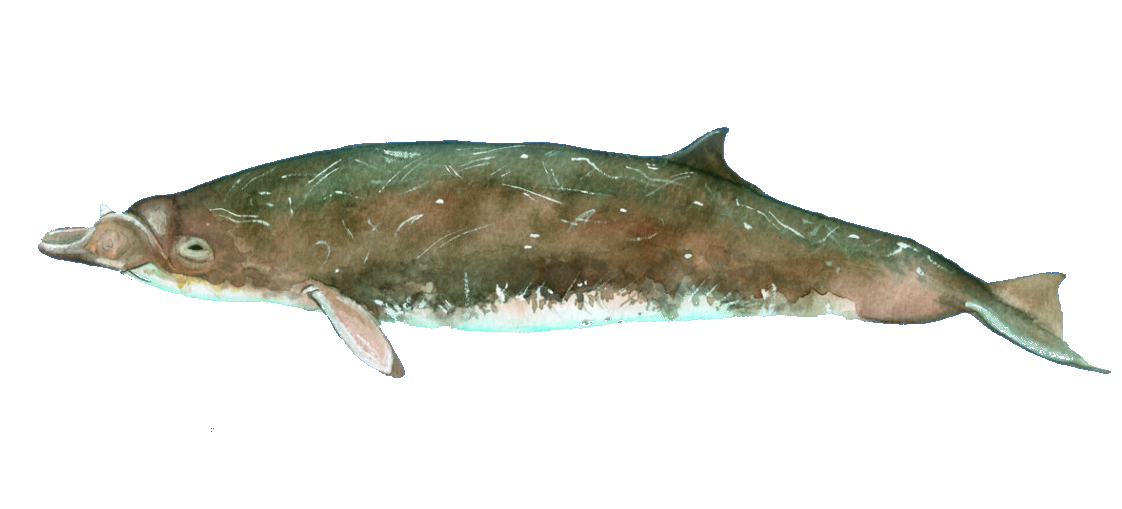
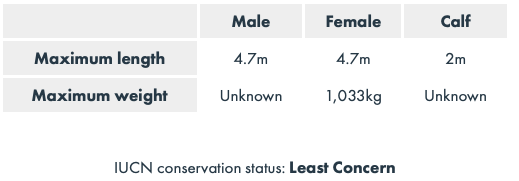
PILOT WHALE
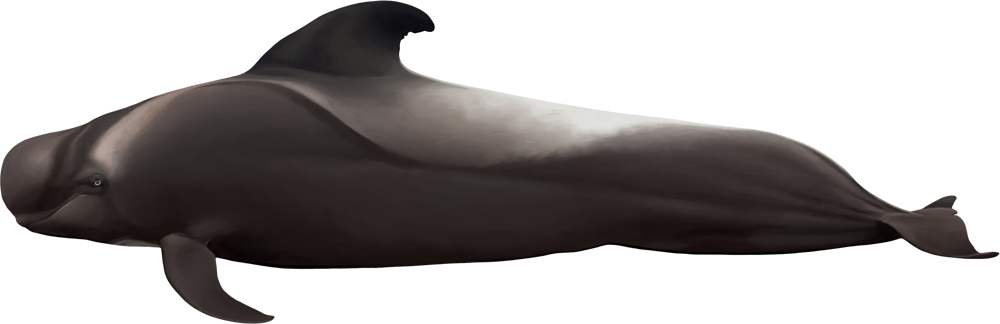
The pilot whale is recognizable by its globular head and its long, low and rounded dorsal fin.
Mainly black, the pilot whale nevertheless has an anchor-shaped spot on its belly. It’s also one of the most social cetaceans, which even goes so far as to maintain physical contact with its peers during rest sessions!
Other names: Globi
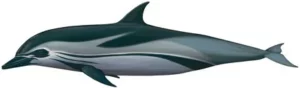
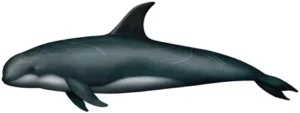
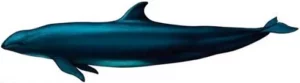
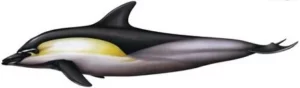
Some more...
Madeira's whales and dolphins

Blue Safari Madeira - Responsible Whale and dolphin watching tours